

Oman's Diversity in Nature
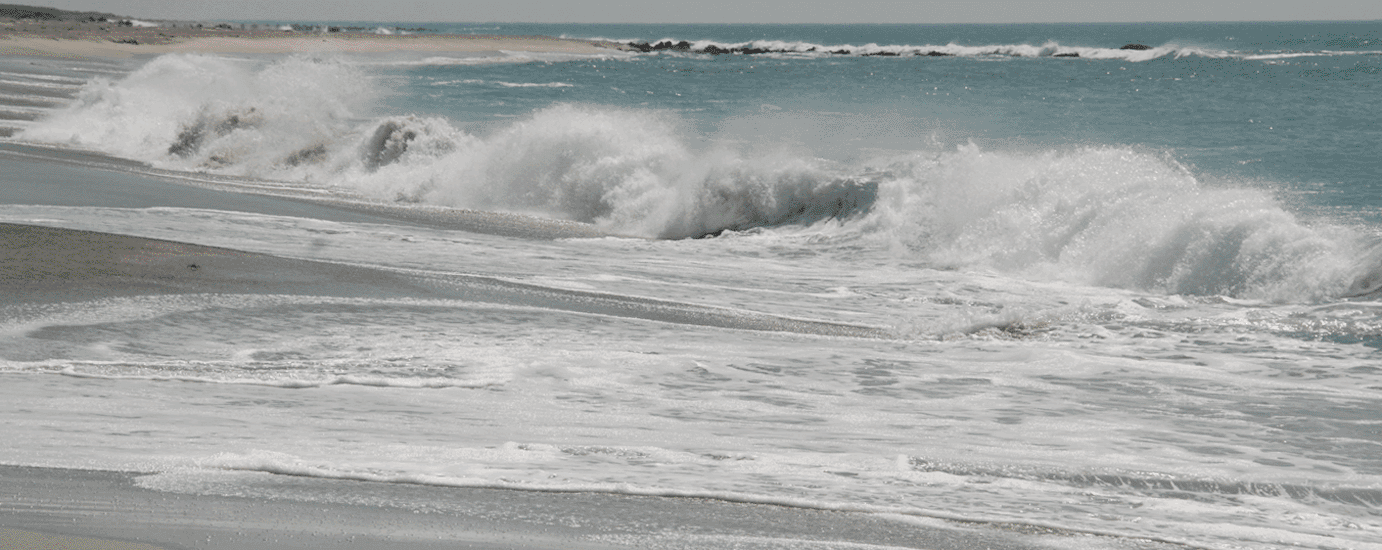
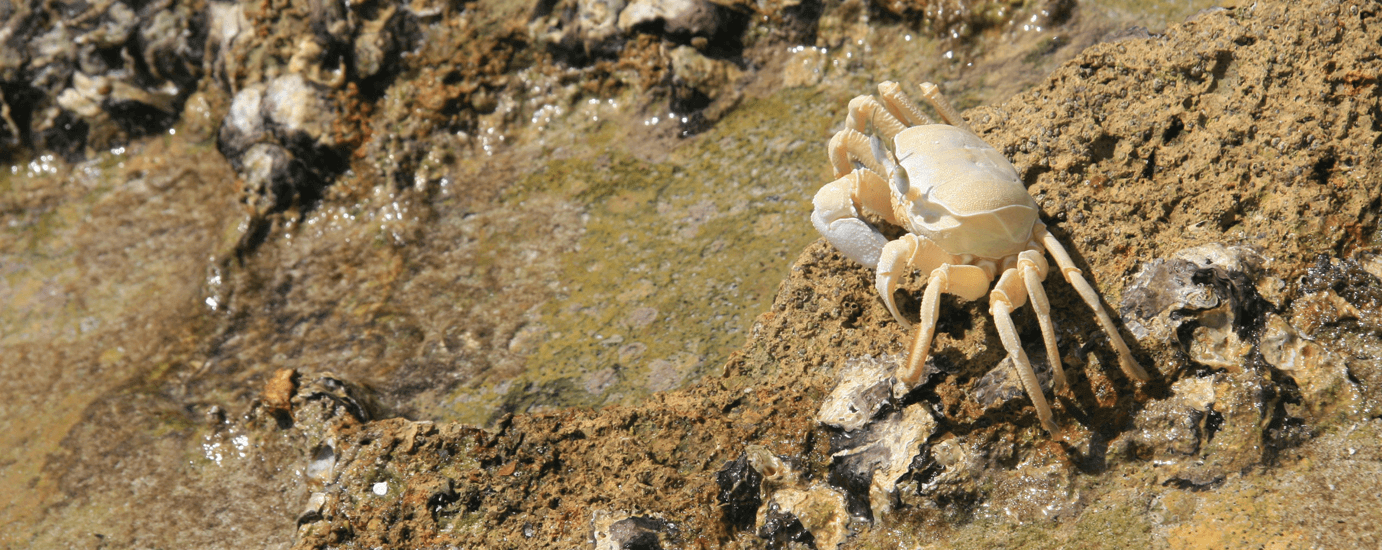
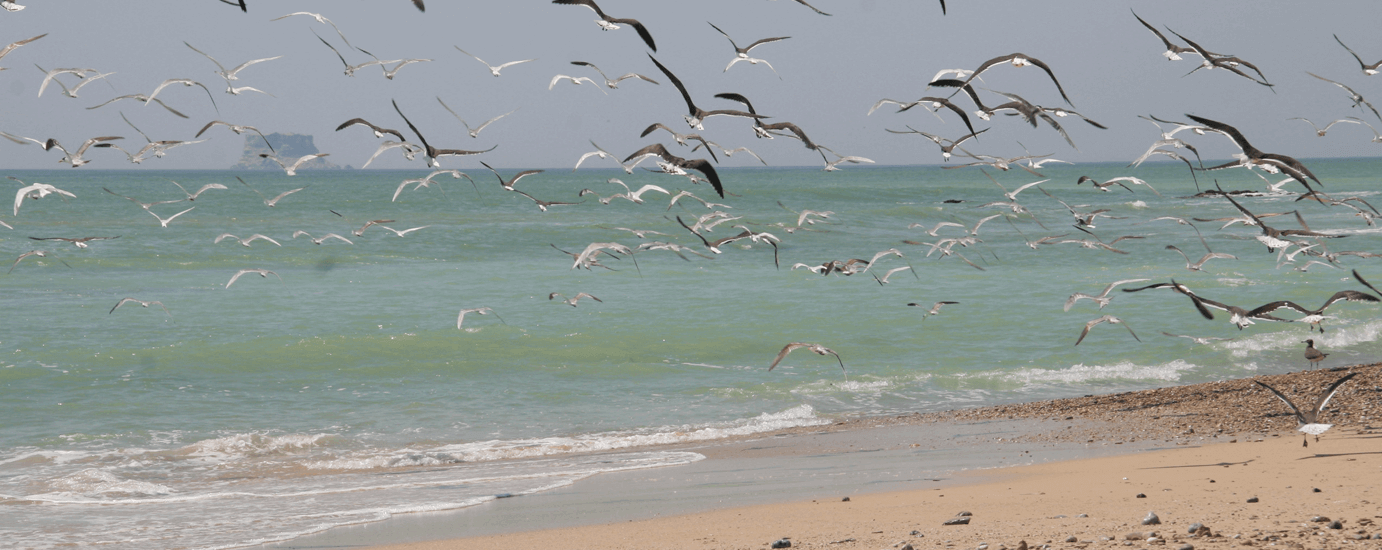
The predominant image of the Arabian landscape is that of desert. The natural landscape of Oman is however much more varied and shows a high diversity, as are its flora and fauna, even though a shortage of water impairs all kinds of life in the country.
When the khareef sweeps across the coast of southern Oman in the summer months, the landscape really starts to burgeon. Within the shortest space of time, a multitude of unique plants spring forth from the earth, which had seemed so infertile so shortly before. However, the luscious green dries up again after only a few weeks and transforms the scenery into a bare world.
A high value is put on environmental protection in Oman, and there are many nature reserves throughout the country. It is forbidden to disturb or to hunt animals and birds in their natural habitat. This goes above all for the various nature reserves such as the Qurm Nature Reserve in the Capital Area, the protected area for the Oryx antelopes in the Jiddat al Harassis region to the North of Dhofar and above al the protected areas for sea turtles at Ras al Jinz.
Collecting shells, corals and starfish along the coast is also forbidden (as is their purchase and export). Various species of sea snails leave their shells temporarily; a shell being empty does not mean that it is uninhabited. Along the Omani coast rare species of cone snails, Conus pennaceus and Conus textile, which grow up to eight centimetres.
► Literature:



Are you interested in a trip to Oman?
► Explore Oman with ARABIA FELIX
Your contacts for travels at Arabia Felix:
Maria Popp, Karin Nowack und Georg Popp
✆ Tel.: +49 (0)89 / 30 77 92 00
✉ info@oman.de